SHOPPING BAG
How To Make Coffee in Office Coffee Machine?

When temperatures rise, coffee does not stop being a daily necessity, it simply changes form.
Cold coffee has rightfully earned its place as the ultimate summer beverage, and for good reason. From the classic freddo espresso to more adventurous combinations, the possibilities are endless.
The secret? It always starts with the right foundation.
Whatever cold coffee recipe you choose, everything begins with the espresso. When coffee is served cold, balance in flavor and the right intensity become even more important.
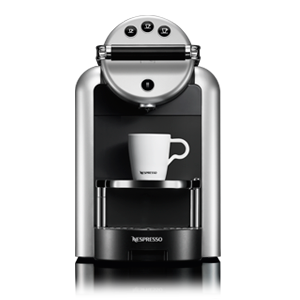
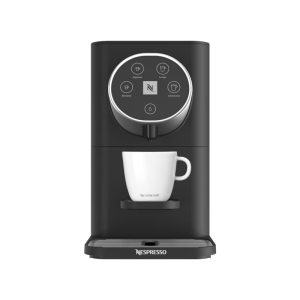
Nespresso Professional coffee machines help ensure exactly that. With the push of a button, they deliver espresso with consistent quality, proper extraction, and reliable results in every preparation.
This allows businesses to maintain consistent coffee quality, even during periods of high demand.
Freddo espresso remains the most popular choice. A shot of espresso is blended with ice until it develops a smoother, more velvety texture and is served chilled.
From there, however, many variations can enrich a summer coffee menu.
The refreshing version of cappuccino, combining espresso with cold frothed milk that adds a softer texture to the drink.
An espresso served over tonic water and ice, often garnished with a slice of lemon or orange. A lighter, refreshing beverage that has increasingly appeared on summer menus in recent years.
A blend of espresso, ice, and milk, often with the addition of chocolate or other flavors for a more indulgent result.
Espresso can also be combined with different ingredients such as milk, fruits, or aromatic elements, creating more distinctive cold coffee recipes that can be tailored to the style and preferences of each business.

Choosing the right coffee variety significantly influences the final result, especially in cold recipes.
Indonesia stands out with notes of wood and cereals, creating a well-balanced freddo with a pronounced aromatic character.
India offers a more intense and spicy profile, with cocoa and spice notes that work particularly well in recipes with milk or chocolate.
Ristretto remains a classic choice for freddo thanks to its full body and cocoa and woody notes that maintain their intensity even in cold preparations.
For an even stronger result, Ristretto Intenso offers a creamier texture and deeper roasted notes.
For those seeking a caffeine-free option, Amaretti Decaffeinato combines aromas of almond and sweet biscuit, offering a milder yet highly aromatic choice.
Most coffee varieties can be adapted to cold coffee recipes depending on the style and needs of each business.
A professional searching for “how to descale an espresso machine” has already done half the work, because they understand that consistency in the final result depends not only on the coffee selected but also on how well the machine is maintained.
An espresso with wonderful aroma can easily become flat if the water passing through it carries traces of limescale accumulated over time.
For this reason, anyone aiming to deliver consistent quality follows the proper procedures for coffee machine maintenance and descaling. Every step is part of the same process that ensures the next cup will deliver the same intensity, body, and quality as the previous one.
Cold coffee is not simply an alternative to hot coffee. It is a category of its own, with its own rules, recipes, and audience. And like any great recipe, it begins with quality ingredients and the confidence that the result will be consistent.
Cold coffee has the power to turn a refreshing moment into a moment of true enjoyment. And that is the essence of summer.

Freddo espresso is a shot of espresso blended with ice until it develops a smoother, velvety texture and is served cold.
Varieties with intensity and full body, such as Indonesia, India, Ristretto, and Ristretto Intenso, work particularly well in cold preparations.
They ensure consistency in preparation, faster service, and stable quality in every beverage.
ΝYes. Options such as Amaretti Decaffeinato offer aromatic character without caffeine, making them ideal for all-day consumption.
Espresso tonic combines espresso, tonic water, and ice to create a light and refreshing beverage.