SHOPPING BAG
How To Make Coffee in Office Coffee Machine?

The coffee served in a hotel or restaurant begins its journey thousands of kilometers away, on the slopes of a volcano in Colombia or on a highland plateau in Ethiopia.
Depending on how coffee is produced, from the harvesting of the fruit to its processing, this journey can either deplete soil and water resources or help restore them through regenerative agricultural practices.
For hospitality professionals, understanding this connection is no longer optional. Coffee sourcing decisions directly influence a business’s environmental footprint and its brand image among consumers who increasingly evaluate sustainability with the same attention they give to taste.
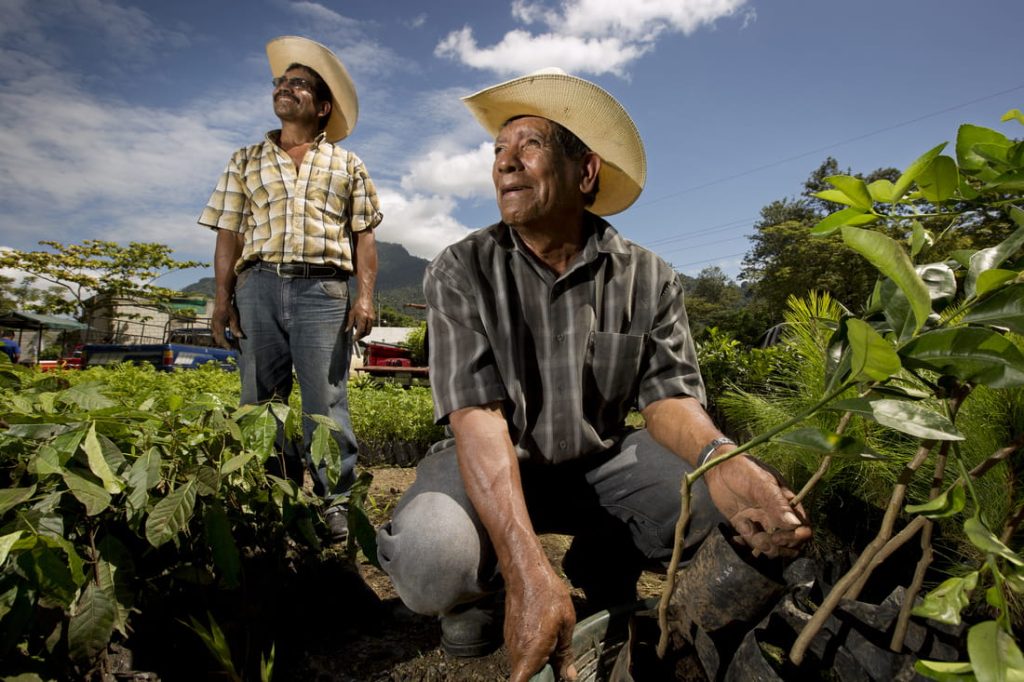
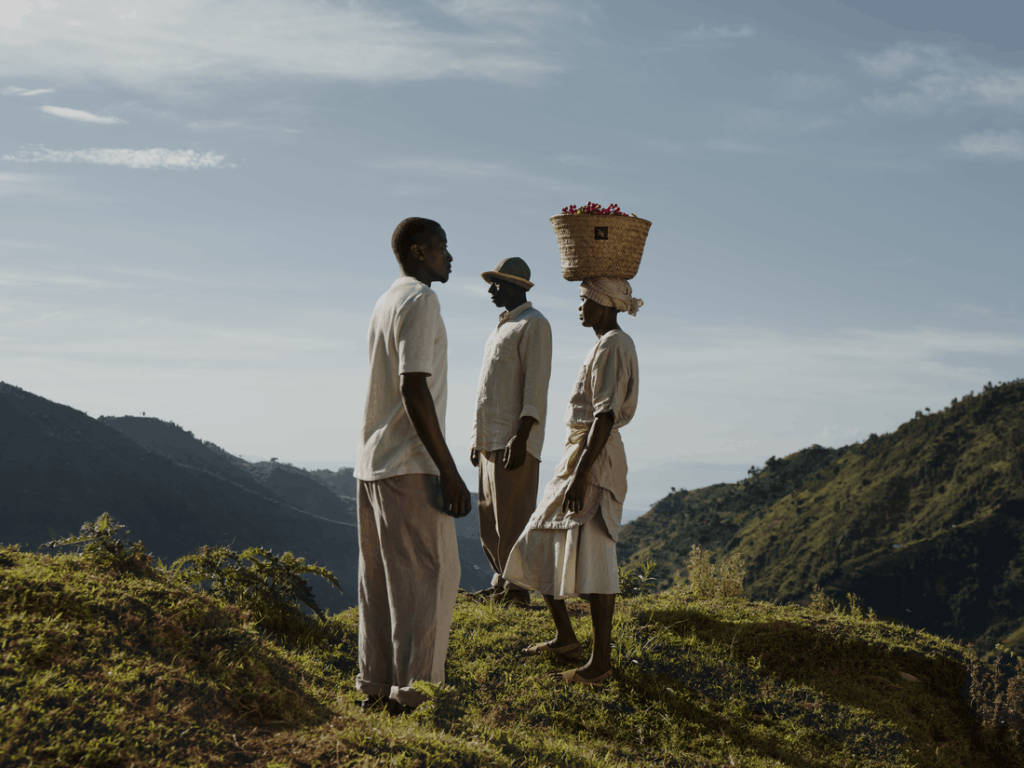
Coffee production starts in the countries where it is grown, where the beans are harvested, processed, and prepared for export. The process includes cultivation, harvesting, processing the coffee cherries, roasting, and finally brewing the coffee.
At every stage, natural resources such as water, energy, and raw materials are used, making sustainability an increasingly important consideration for the coffee industry.
In recent years, many companies have invested in more responsible production practices aimed at reducing environmental impact while supporting local farming communities.
Nespresso, through the Nespresso Sustainable Quality Plan, has been working for more than 20 years in partnership with Rainforest Alliance, supporting more than 120,000 farmers worldwide and promoting regenerative farming practices that help protect soil, water resources, and biodiversity.
Sustainability in coffee does not only concern production; it also relates to how businesses operate in their daily activities.
Efficient resource management, waste reduction, and recycling have become essential elements of a modern hospitality strategy. At the same time, coffee systems with precise dosing help reduce unnecessary consumption of coffee, water, and energy.
According to a Life Cycle Assessment (LCA) study conducted by Quantis on behalf of Nespresso, the use of portioned coffee systems can contribute to better resource control and help reduce coffee waste during preparation.
At the same time, Nespresso continues to invest in initiatives related to reducing environmental impact, electrifying transportation, and developing circular economy practices, strengthening its overall approach to corporate responsibility.
One of the most important aspects of the sustainability discussion concerns what happens after coffee is consumed.
Capsule recycling and material reuse are becoming increasingly important, particularly in the hospitality sector where daily consumption volumes are high.
Nespresso Professional offers a free capsule recycling program through which used capsules are collected and separated so that the coffee grounds can be used as natural fertilizer and the aluminum can be reused to produce new products.
In this context, the collaboration between Nespresso Professional and the Greek company is a characteristic example of circular economy in practice. By utilizing coffee residues collected through the recycling program, new materials and functional professional products are created, reducing the need for conventional raw materials.
Today’s consumers evaluate not only the quality of coffee but also the overall way a business operates.
Sustainability has evolved into a key element of trust and differentiation, particularly in the hospitality sector. Practices such as recycling, waste reduction, and choosing partners with a more responsible approach increasingly influence how businesses are perceived.
For this reason, many companies choose partners that invest consistently in sustainable quality — not only as an environmental choice but also as part of the overall experience they offer their guests.
Sustainability in coffee is not a future trend; it is already shaping how modern hospitality and food service businesses operate.
From supporting farmers to recycling and reducing waste, every stage of coffee’s lifecycle is gaining greater importance.
As consumer expectations continue to evolve, businesses that invest today in more responsible practices are building stronger foundations for the future — both operationally and in terms of customer experience.
Coffee comes from the Coffea plant, a shrub that produces coffee cherries. Inside these cherries are the beans that, after harvesting, processing, and roasting, eventually reach the final cup.
Sustainable coffee refers to coffee produced through practices that respect the environment, support farming communities, and help reduce environmental impact.
Recycling allows materials such as aluminum to be reused while coffee residues can be repurposed, reducing waste and the need for new raw materials.
It is Nespresso’s sustainable sourcing program, developed in partnership with Rainforest Alliance, designed to support coffee farmers and promote regenerative agricultural practices.
Yes. Portioned coffee systems, such as coffee capsules, allow precise dosing, helping reduce the waste of coffee, water, and energy during preparation.